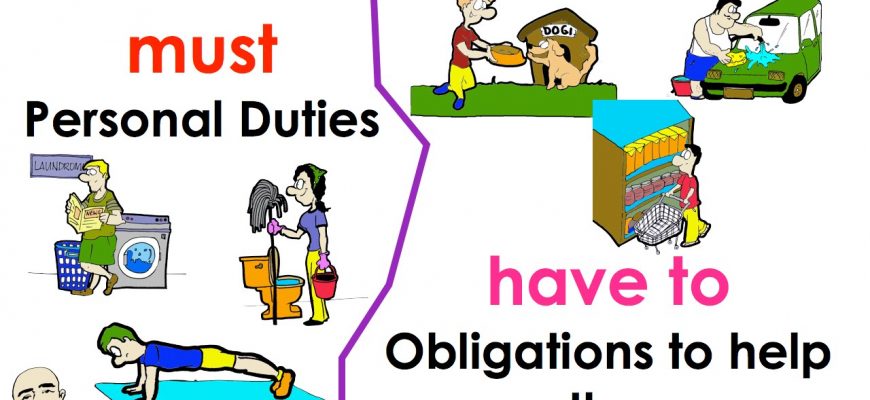
must/mustn’t Use must + infinitive without to Must is a modal verb, and modal verbs are followed by infinitive without
Read an interview to a woman about her job. Fill in the gaps with the verbs in brackets and the correct forms of have to (affirmative, negative, interrogative)
Choose the most appropriate forms, have to, don’t have to, must, mustn’t, to complete the following sentences.
Choose the correct forms, don’t have to, mustn’t, to complete the sentences below.


For the following questions (1 to 15), choose the right option.

Read the following text about child marriage in Nepal, and decide if statements 1 to 6 are true or false. Child marriage in Nepal Nepal has made important

Watch a video about Mars. For questions 1 to 6, choose the correct answer. Exercise:

go + -ing We use go + -ing verb for many sports, and also some other activities like shopping, dancing, clubbing, etc. I want to go shopping this afternoon.
Complete the sentences. Use to, on or for, and a/the when necessary.